
Where Damage Really Occurs
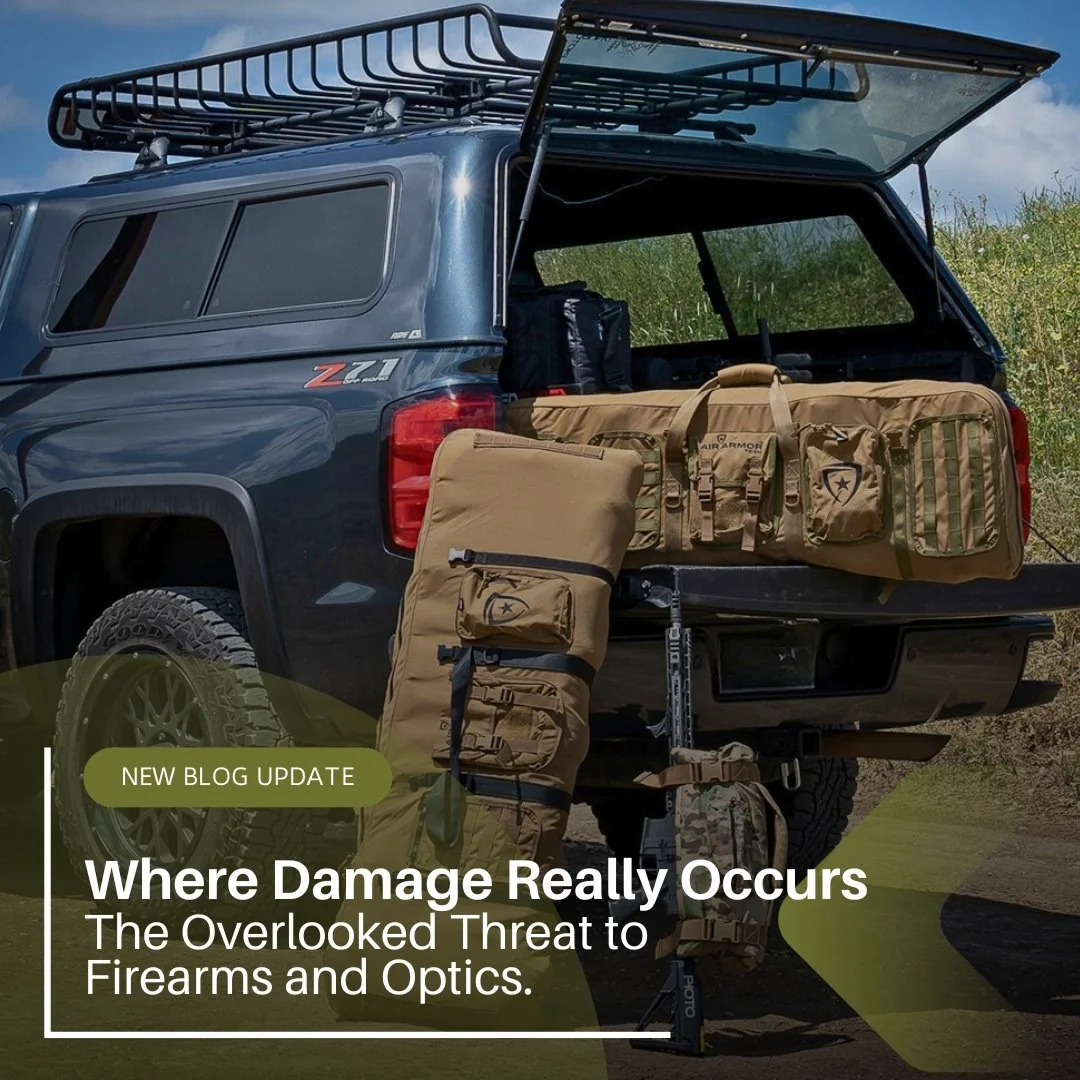
Where Damage Really Occurs Blog Hero Image
Understanding the Real Risk to Firearms and Optics During Transport.
When most people think about protecting a rifle or optic, they imagine preventing visible damage. Scratches. Dents. Cracked housings. The assumption is simple: if the exterior looks fine after transport or impact, then everything inside must be fine as well.
In reality, that assumption is where the problem begins.
Modern rifles and optics are precision instruments. Internal assemblies are engineered to tight tolerances, especially in today’s market where shooters are investing in advanced glass, smart optics, and high-performance tracking systems. These systems are designed to deliver repeatable, predictable performance. What they are not designed to do is absorb unmanaged shock over and over again.
The real issue is not whether a case survives impact. It’s what happens to the energy from that impact once it occurs.
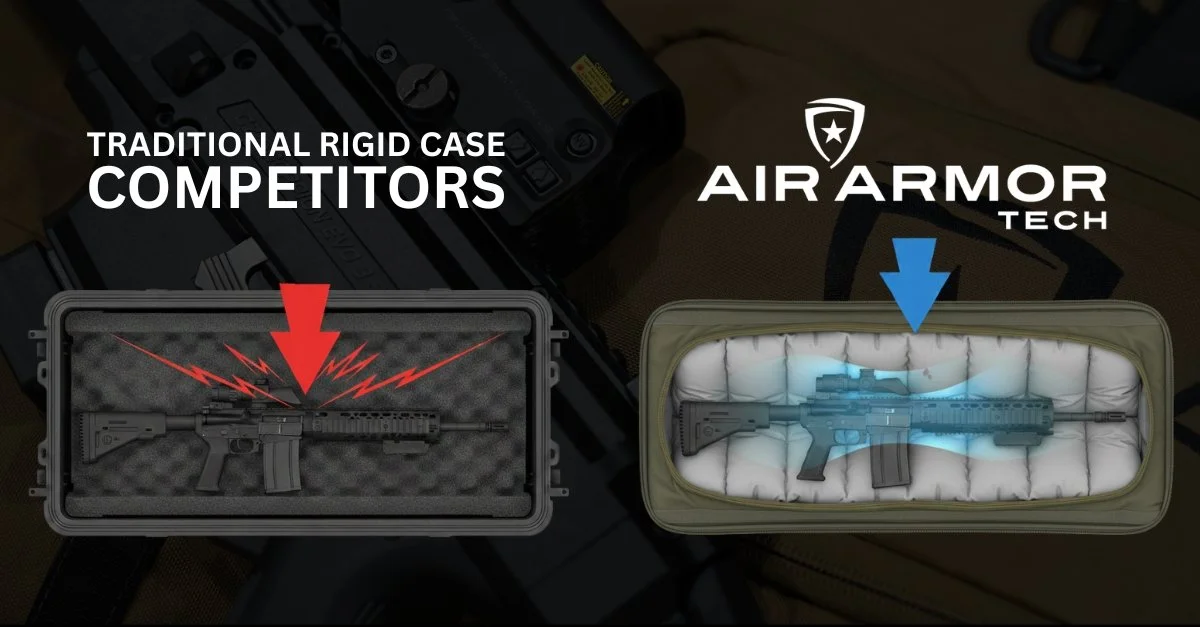
Rigid Case Vs. Air Armor Tech Air Cell’s Technology.
The Physics Behind the Impact
When a rifle tips over at the range, shifts during vehicle transport, or moves through airline baggage handling, the visible contact point is only the beginning of the event. Impact introduces force into the system, and that force must be transferred somewhere.
Traditional protective solutions rely on rigid shells and dense foam inserts. These materials are effective at resisting punctures and preventing visible external damage. However, resistance is not the same as absorption.
If a protective structure does not compress under load, much of the impact energy is redirected inward. The case itself may remain intact, but the firearm and optic inside experience a sharp deceleration spike.
That deceleration, not the scratch is what affects precision components. Real-world use reinforces this point. In demanding environments, equipment often travels in conditions far more dynamic than a controlled range setting.
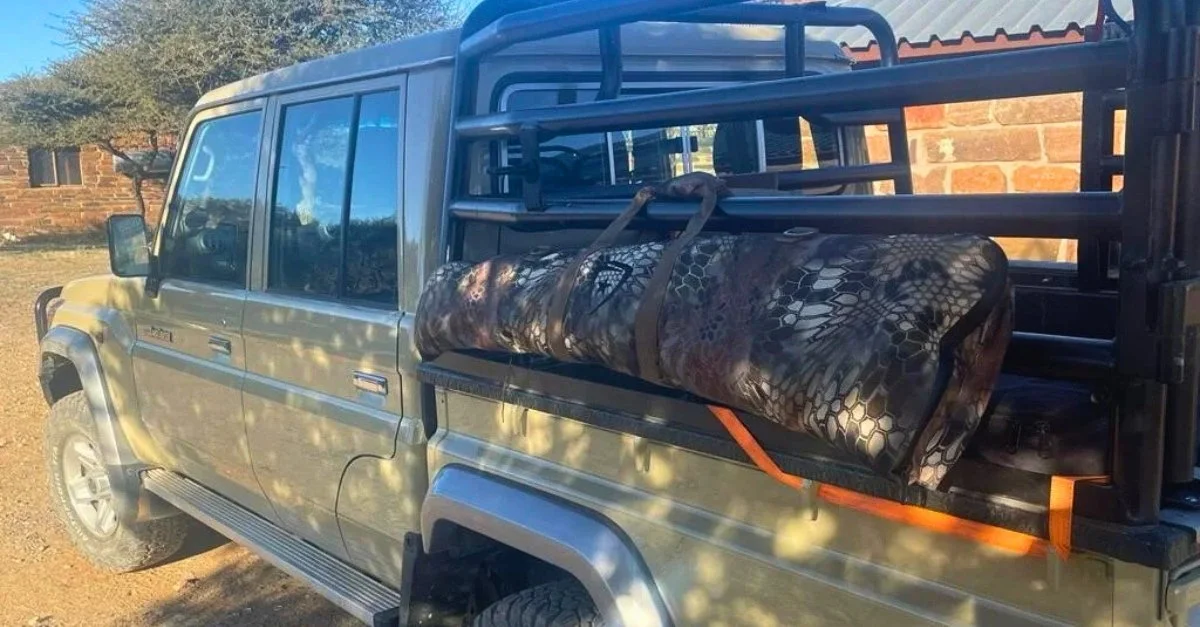
An Air Armor Tech Stealth Gun Sleeve Strapped onto a hunting Vehicle.
Air Armor Tech gear, for example, is trusted in situations where protection must extend beyond simple storage—even when secured to the side of a pickup during a hunt. The conditions may be rough, but the expectation remains the same: the equipment inside must perform exactly as intended when it is needed.
The Hidden Stress of Transport
Most optic issues aren’t caused by a single drop. They develop from cumulative stress over time.
Long drives over uneven terrain. ATV vibration during a hunt. Gear stacked in the back of a truck. Repeated loading and unloading.
Each event may seem insignificant. But together, they introduce small, unmanaged forces into sensitive internal assemblies. Over time, those forces can fatigue components or alter alignment.
The exterior housing remains intact, performance begins to change. Optic damage rarely appears as catastrophic failure. More often, it shows up gradually:
Slight tracking inconsistency
Minor shifts in zero
Reduced repeatability
Subtle loss of confidence at distance
In many cases, the optic looks perfectly fine. But internally, repeated energy transfer has already affected its consistency.
Understanding this distinction is critical.
Protection shouldn’t be judged only by exterior durability — it should be measured by how effectively it manages energy before it reaches the equipment inside.
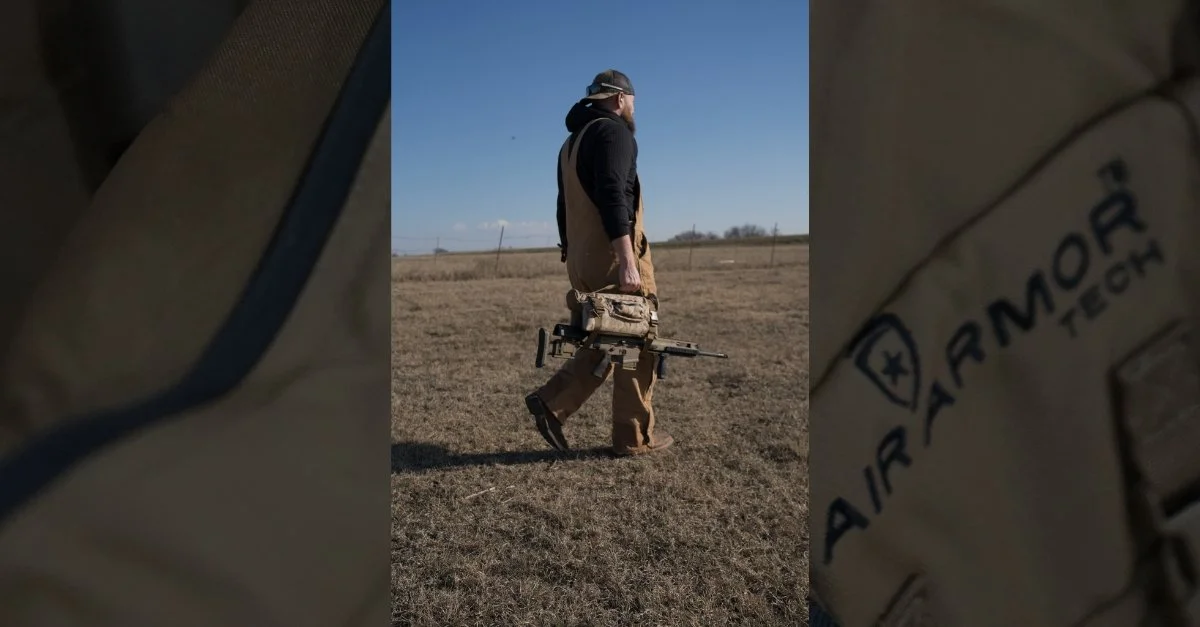
A shooter carrying his rifle using a Air Armor Tech Scope Cover for easy transport.
The Difference Between Surviving Impact and Managing It
A more accurate way to evaluate firearm and optic protection is to ask a different question: when impact occurs, how is the force being managed?
If force is reflected or redirected, then the protected equipment becomes part of the impact equation. If force is absorbed and dispersed before reaching the equipment, the internal systems experience significantly less stress. The difference lies in whether the protective solution treats impact as something to resist or something to manage.
Air Armor Tech approaches this challenge from an energy-dissipation perspective. Inflatable air-cell systems are engineered to compress under load, slowing the rate of deceleration during impact and reducing peak force transfer. Unlike rigid materials that primarily reflect energy, air cells distribute and absorb force across a broader surface area. The goal is not simply to prevent visible damage to the case, but to reduce the amount of shock that reaches the firearm or optic in the first place.
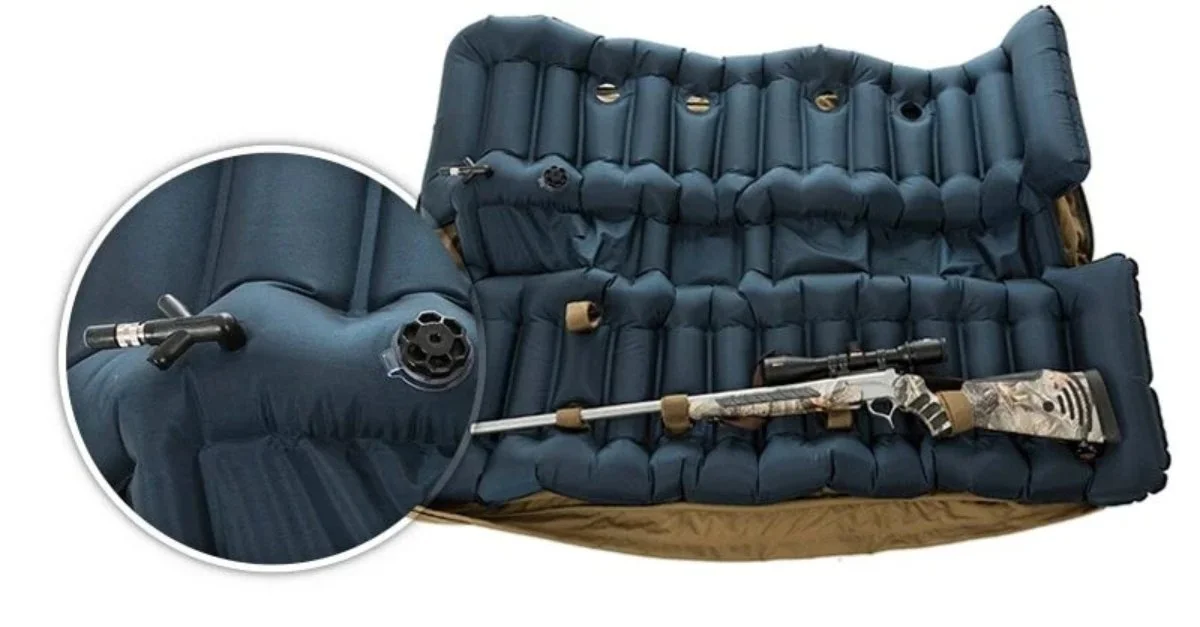
Air Armor' Tech’s Air Cell Technology
This approach mirrors well-established safety principles used in other high-risk environments. When force is managed gradually rather than abruptly, the protected system experiences less stress. In the context of firearms and optics, that translates to improved preservation of zero, tracking consistency, and long-term reliability.
Why Today’s Gear Demands Better Protection
In 2026, shooters are investing more than ever in advanced equipment. Optics incorporate digital overlays, ballistic computing, and increasingly complex internal assemblies. Rifles are tuned for precision at extended distances. As the sophistication of gear increases, so does its sensitivity to unmanaged shock and vibration.
Despite this evolution, many protection methods remain rooted in older design philosophies that prioritize rigidity over energy absorption. While rigid structures offer certain benefits, they do not fundamentally change the path of force once impact occurs.
When you understand where damage actually happens, protection becomes less about surviving the drop and more about controlling what the firearm or optic experiences during and after that drop. The true measure of protection is not whether the case looks intact. It is whether the equipment performs exactly as intended the next time it is needed.
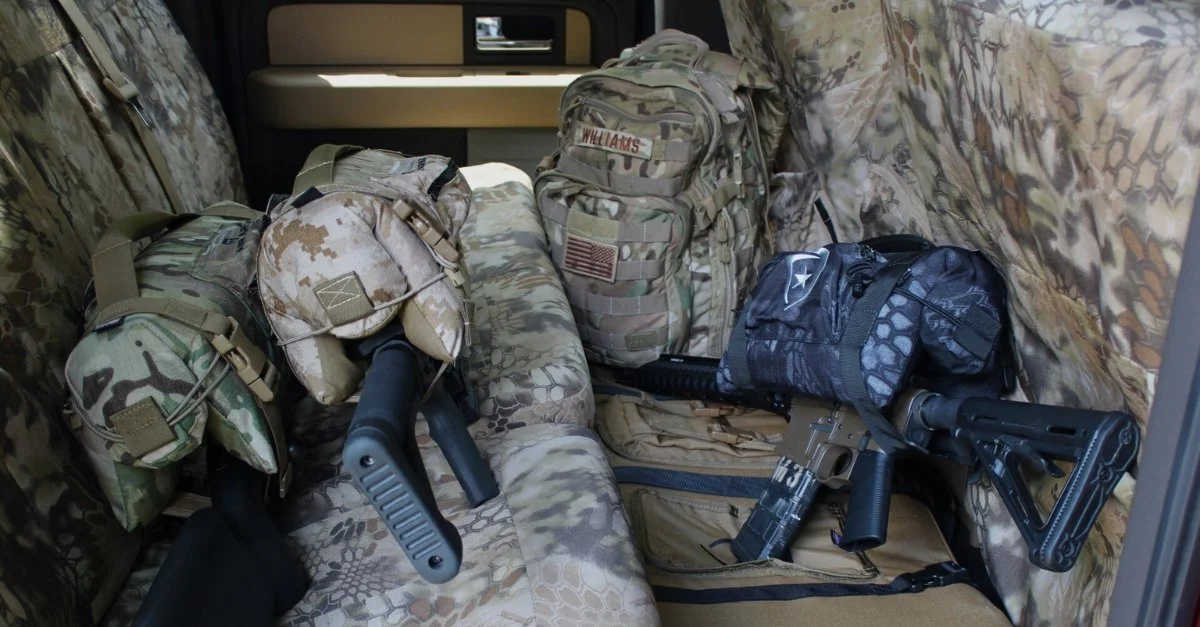
Air Armor Tech Scope Covers in the back of a truck.
Conclusion
Damage does not always begin with visible failure. More often, it begins with energy that is not properly managed. Over time, that unmanaged energy can affect alignment, consistency, and confidence in mission-critical equipment.
Effective protection starts with acknowledging this reality. The question is no longer whether a case can withstand impact, but whether it meaningfully reduces the force that reaches the firearm or optic inside.
In today’s environment, where shooters are investing heavily in precision rifles and advanced optics, protection should evolve alongside performance. The goal is not simply to avoid scratches or dents. The goal is to preserve zero, maintain tracking integrity, and ensure that equipment performs exactly as expected when it matters most.
When evaluating protection, look beyond the exterior shell. Consider how energy moves, how it is absorbed, and how it is managed over time. Because the real failure point is rarely the moment of impact itself — it is the unseen stress that follows.
Understanding where optic damage actually happens changes the standard. And once that standard changes, so should the way we protect what we depend on.